IN PHOTOGRAPHY, the right combination of colors can easily arrest a viewer’s attention. The absence of color, on the other hand, can effectively expose what colors mask. Poor lighting, shoddy composition — flaws like these are further emphasized in black and white.
Sociologist Saskia Sassen offers a less technical insight: black and white photography “unsettles meaning.” A “sort of penumbra” hovers around a monochromatic image, precisely because we viewers do not see what the eyes should theoretically see.

A few years back, I challenged myself to take photographs in black and white. Sassen is right. The greyscale rendering has indeed given my photos a somber look, which, to my delight, has also made my subjects appear more important than they actually are.

Sassen, however, isn’t talking about photos of everyday objects. She specifically writes about the works of Brazilian photojournalist Sebastião Salgado and how they capture spaces that are neither national nor global. Sassen notes that through the blurring of geographic markers, Salgado is able to universalize themes of humanity, suffering, and struggle. My photos, obviously, are not as thought-provoking.

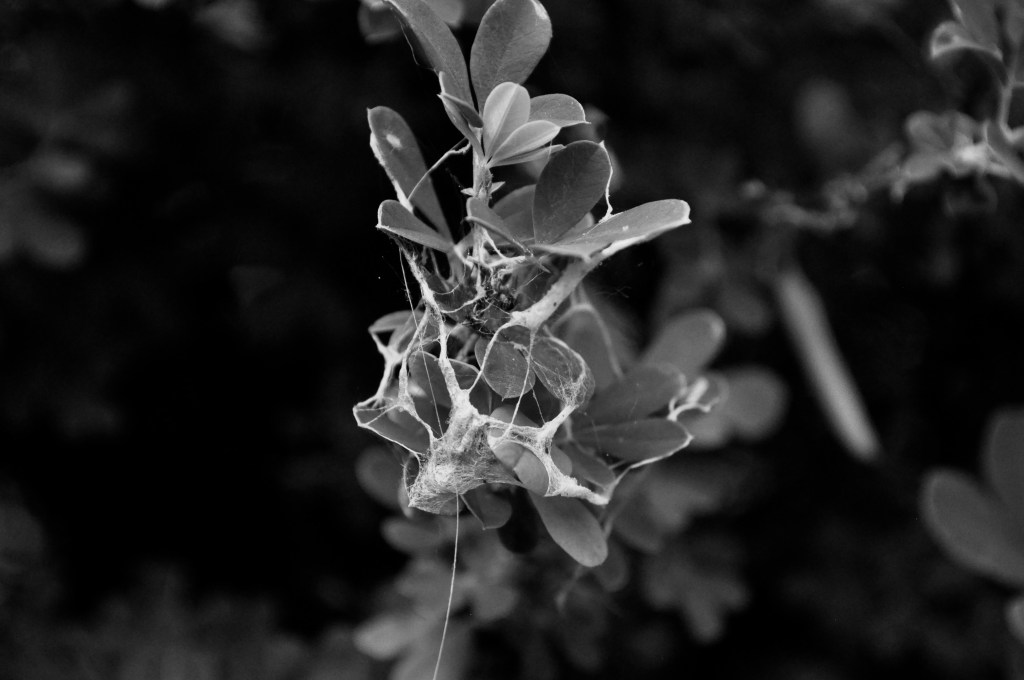
Initially I attempted to write some exhibit-style notes to pin some thematic wisdom on how I curated these photos. I wrote about my decision to use a zoom lens — something about how I (inadvertently) extend the sense of lack not only through the absence of color, but also through the absence of the subjects’ physical entirety. Unfortunately I couldn’t finish the essay without sounding like a pretentious douche, so I scrapped it.
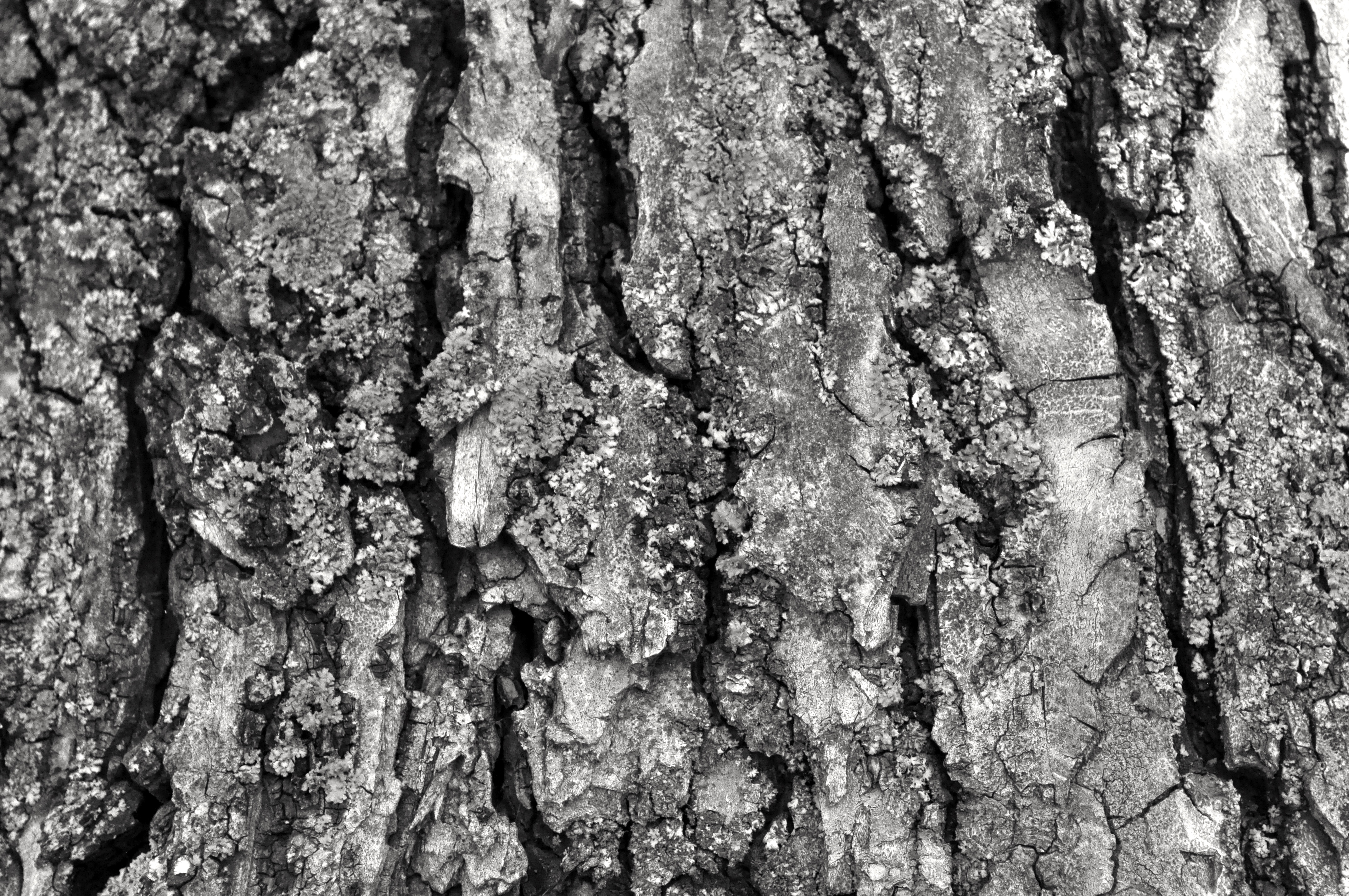
I was being sincere though. Looking at these photos, I feel a weightier tug of nostalgia because I no longer recall the details that spill beyond the frames. I recognize the side dish, the spoon, and the chair, but I still have to search deep into the recesses of my memory to remember the fuller context. Where was I? When was this? What exactly am I looking at?

But isn’t that precisely the catch with photographs? No single photo has ever told a complete story. We are only able to keep fragments of the past, fragments that are captured only through our own lenses. There is always more to a memory than the fragments that we take.

Because for every moment that we capture, there are numerous moments that we left behind. Photographs — whether in color or in black and white — are untruthful in this regard. Something will always be missing. The click of the shutter is the sound of forgetting.


 sure. wait. what?
Leave a reply to rAdishhorse Cancel reply